How Much Protein Do You Need per Day?
Most adults need at least 0.83 g of protein per kg of body weight a day. If you exercise or build muscle, 1.4 to 2.0 g. For a 70 kg adult that is 58 to 140 g.
 Greg, Cal Clark team7 min read
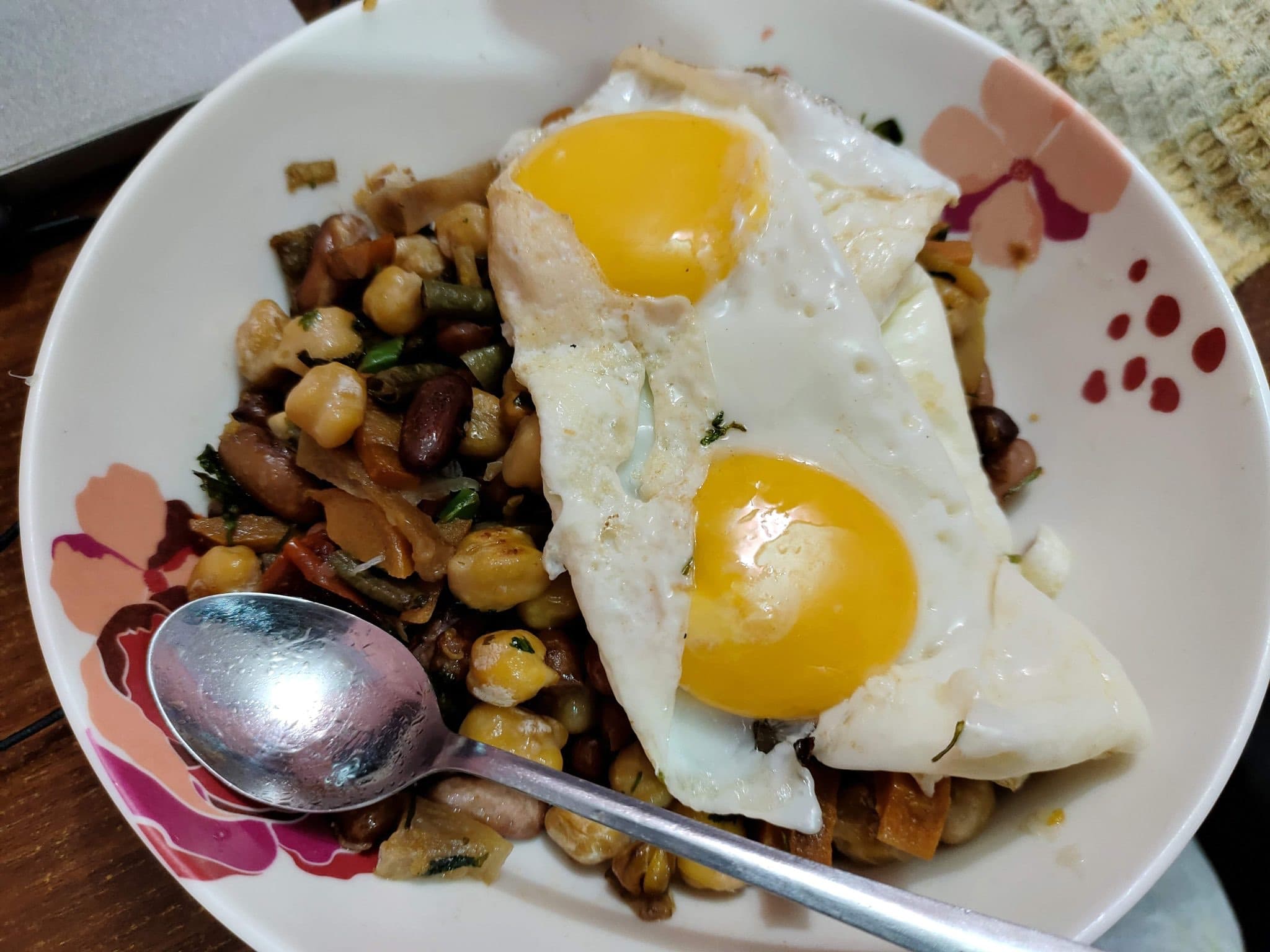
Most healthy adults need at least 0.83 g of protein per kilogram of body weight a day, which is the European reference intake set by EFSA. For a 70 kg adult that is about 58 g. If you exercise regularly or want to build muscle, the International Society of Sports Nutrition recommends more: 1.4 to 2.0 g per kilogram, or about 100 to 140 g for the same person. For weight loss, a 2015 review points to 1.2 to 1.6 g per kilogram.
Key takeaways
- Baseline for healthy adults: 0.83 g per kg of body weight a day.
- Training or building muscle: 1.4 to 2.0 g per kg. Muscle gain levels off around 1.6 g per kg.
- Losing weight: 1.2 to 1.6 g per kg helps you keep muscle, and meals feel a little more filling.
- Adults over 65: at least 1.0 to 1.2 g per kg.
- Spread it over 3 to 5 meals of 20 to 40 g each.
Protein targets by goal
| Your situation | Grams per kg of body weight a day | Source |
|---|---|---|
| Healthy adult, little exercise | 0.83 | EFSA, 2012 |
| Exercising regularly | 1.4 - 2.0 | ISSN, 2017 |
| Losing weight | 1.2 - 1.6 | Leidy et al., 2015 |
| Building muscle with strength training | about 1.6 | Morton et al., 2018 |
| Lean, experienced lifters in a calorie deficit | 2.3 - 3.1 | ISSN, 2017 |
| Over 65 | 1.0 - 1.2, or 1.2 and up if active | PROT-AGE, 2013 |
The 1.6 g figure comes from a 2018 meta-analysis of 49 trials with 1,863 people who did strength training. Protein above about 1.6 g per kg a day did not add more muscle on average. That makes 1.6 g a sensible target for most people who lift, with the higher numbers kept for lean, experienced lifters who are cutting.
Work out your number
Multiply your body weight in kilograms by the figure for your situation.
| Body weight | 0.83 g/kg | 1.4 g/kg | 1.6 g/kg | 2.0 g/kg |
|---|---|---|---|---|
| 55 kg | 46 g | 77 g | 88 g | 110 g |
| 70 kg | 58 g | 98 g | 112 g | 140 g |
| 85 kg | 71 g | 119 g | 136 g | 170 g |
| 100 kg | 83 g | 140 g | 160 g | 200 g |
If you have a lot of weight to lose, the gram figure from your current weight can be very high. In that case, ask a dietitian or your doctor which body weight to use.
How to spread protein across the day
The ISSN position stand suggests about 0.25 g per kg of body weight per meal, or 20 to 40 g, every 3 to 4 hours. For most people that means three meals with a solid protein portion each, plus one snack on training days.
A day at about 118 g, roughly 1.7 g per kg for a 70 kg adult, could look like this:
- Breakfast: 200 g Greek yogurt with 40 g oats and berries, about 24 g.
- Lunch: 200 g cooked lentils in a salad with 100 g cottage cheese, about 28 g.
- Snack: two eggs on toast, about 16 g with the bread.
- Dinner: 150 g roasted chicken breast with rice and vegetables, about 50 g.
Toast with jam or a pastry has only a few grams of protein. Adding 15 to 20 g at breakfast leaves less to fit into lunch and dinner.
Protein in everyday foods
These portions are calculated from USDA FoodData Central values per 100 g:
| Food | Portion | Protein |
|---|---|---|
| Chicken breast, roasted | 150 g | 47 g |
| Firm tofu | 150 g | 26 g |
| Cottage cheese, low fat | 200 g | 21 g |
| Greek yogurt, plain, non-fat | 200 g | 19 g |
| Lentils, cooked | 200 g | 18 g |
| Kidney beans, cooked | 200 g | 17 g |
| Eggs | 2 large (100 g) | 13 g |
| Peanut butter | 2 tablespoons (32 g) | 7 g |
Cooked weights matter. Dry lentils have about 25 g of protein per 100 g and boiled lentils about 9 g, because they soak up water, so log the form you actually weighed. Weight and cooking also explain many calorie logging errors.
Why protein helps when you are losing weight
Diets with more protein help people keep muscle while they lose fat. A 2015 review in the American Journal of Clinical Nutrition looked at short-term, tightly controlled feeding studies. In those studies, people on higher-protein, reduced-calorie diets lost more weight and more fat, and kept more muscle, than people on lower-protein diets with the same calories. Longer studies gave mixed results, and the review links that mostly to people not staying on the diet. People also felt a little fuller after higher-protein meals.
The review suggests 1.2 to 1.6 g per kilogram a day, with at least 25 to 30 g of protein per meal. Fit that protein inside your calorie target for weight loss. In Cal Clark, protein shows next to calories for every meal, so a low-protein lunch is easy to spot before dinner.
Is a high-protein diet safe?
For healthy adults, yes, within normal ranges. EFSA found too little data to set an upper limit for protein. Some active, healthy adults in Europe eat up to twice the reference intake, about 1.7 g per kg, and EFSA considers that safe.
The 2.3 to 3.1 g range in the table comes from studies of lean, experienced lifters in a calorie deficit. It is not a starting point for most people.
People with kidney disease are different. The PROT-AGE group excludes older adults with severe kidney disease from its higher targets. If you have a kidney condition, are pregnant or breastfeeding, or are under 18, ask your doctor for your protein target.
Do you need protein shakes?
No, but they can help. The ISSN notes that people can meet their needs from whole foods, and that supplements are a practical way to add good-quality protein with few calories. A shake is useful when a meal is short on protein and there is no time to cook. It does nothing that the same grams from yogurt, eggs or chicken would not do.
Frequently asked questions
Do women need less protein than men?
Per kilogram of body weight, no. EFSA's reference intake of 0.83 g per kg applies to adults of all ages and both sexes, so the gram total is lower only when body weight is lower.
Does protein make you gain weight?
Only through calories, like any food. One gram of protein has about 4 kcal, so 30 g of protein is 120 kcal on its own. The food around it adds more: 30 g of protein from roasted chicken breast comes with about 160 kcal, and from cooked lentils with about 385 kcal.
Is plant protein as good as animal protein?
Plant foods can cover your needs if you eat a mix of them, such as beans, lentils, tofu, soy milk and grains. The ISSN notes that protein sources differ in quality and in their essential amino acids. Eat several plant proteins across the day rather than relying on one.
Sources
- EFSA Panel on Dietetic Products, Nutrition and Allergies. Scientific opinion on dietary reference values for protein. EFSA Journal, 2012.
- Jäger R, Kerksick CM, et al. International Society of Sports Nutrition position stand: protein and exercise. J Int Soc Sports Nutr, 2017.
- Morton RW, Murphy KT, et al. A systematic review, meta-analysis and meta-regression of the effect of protein supplementation on resistance training-induced gains in muscle mass and strength in healthy adults. Br J Sports Med, 2018.
- Bauer J, Biolo G, et al. Evidence-based recommendations for optimal dietary protein intake in older people: a position paper from the PROT-AGE Study Group. J Am Med Dir Assoc, 2013.
- Leidy HJ, Clifton PM, et al. The role of protein in weight loss and maintenance. Am J Clin Nutr, 2015.
- USDA FoodData Central: chicken breast, roasted, firm tofu, cottage cheese, Greek yogurt, lentils, kidney beans, egg, peanut butter.
- The studies behind Cal Clark's calorie and protein targets.
This article is general information, not medical advice. Talk to a doctor or a registered dietitian before you make big changes to your diet.
Log your meals with a photo.
Cal Clark shows calories and macros in seconds. Join the waitlist and we'll tell you when the app goes live.
3-day free trial. No ads.